Why Wholesale Children’s Wear Is a Smart Choice for Boutiques, Online Stores, and Retail Businesses
1. The Strategic Advantages of Wholesale Sourcing in Children’s Retail
The global children’s wear, footwear, and accessory sector has transformed remarkably over the past decade. Driven by shifting demographics, rising disposable incomes among millennial and generation z parents, and an intense cultural focus on stylish parenting, the kidswear market has expanded far beyond basic utility. Contemporary parents view clothing, toys, and lifestyle accessories not merely as functional daily necessities, but as vital extensions of their children’s developing personalities and familial aesthetic values.
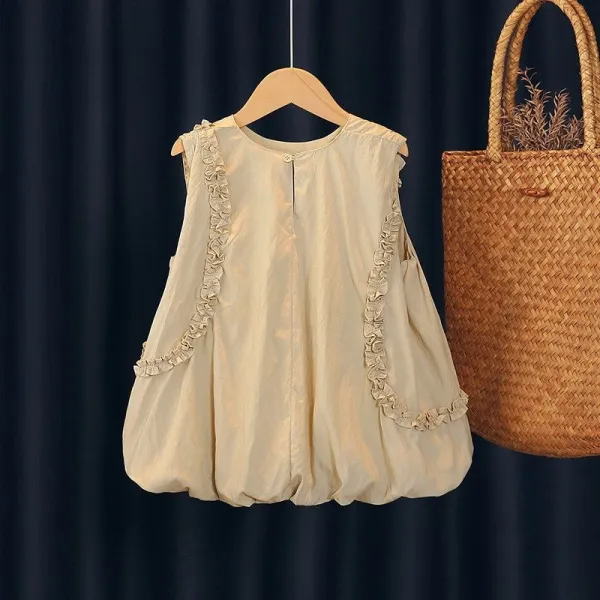
For boutique owners, e-commerce entrepreneurs, and emerging brand founders, capitalizing on this booming demand requires a sophisticated operational strategy. Relying solely on a static catalog of generic goods or fragmented purchasing is no longer a viable recipe for long-term survival. Price competition from fast-fashion giants has compressed retail margins, making strategic inventory sourcing, agile wholesale acquisition, and diversified product offerings absolute operational necessities.
Sourcing wholesale merchandise provides retail businesses with the flexibility, cost efficiency, and scalability needed to thrive in a competitive market. By partnering with robust B2B platforms, retailers can bypass costly intermediaries, secure competitive per-unit pricing, and maintain healthy profit margins. This comprehensive guide explores why wholesale children’s wear is a brilliant, strategic choice for boutiques, online stores, and expanding retail businesses, examining market dynamics, category expansion, and actionable operational frameworks designed to elevate your enterprise to unprecedented profitability.
2. Deconstructing Market Dynamics and Modern Parent Consumer Psychology
Understanding the psychology of the contemporary parent consumer is the foundational first step toward building a successful retail business. Modern shoppers are highly fashion-conscious, quality-driven, and value-oriented. They look for specific product attributes before making a purchase decision:
Fabric Safety and Comfort: Children have sensitive skin, making non-toxic, hypoallergenic, and breathable textiles (such as organic cotton, bamboo blends, and soft knits) non-negotiable purchasing criteria.
Durability and Easy Care: Because children grow rapidly and subject their clothing to rigorous daily wear and frequent laundering, garments must withstand heavy usage without losing shape or color.
Aesthetic Appeal and Trend Alignment: Parents increasingly seek miniature versions of adult streetwear, minimalist neutrals, and playful, vibrant prints that look exceptional in digital family portraits and social media sharing.
This cultural shift has catalyzed massive demand for versatility, quality, and variety. When a retail store sources carefully curated wholesale products, perceived value increases exponentially. This emotional and economic alignment translates directly into higher customer lifetime value (LTV), increased average order values (AOV), and robust word-of-mouth advocacy.
3. Optimizing the Wholesale Foundation: Sourcing Must-Have Apparel Categories
Establishing a solid, commercially viable inventory foundation through cost-effective wholesale sourcing is the primary engine of retail profitability. Sourcing the right baseline apparel and accessories ensures steady cash flow, minimizes fulfillment friction, and builds immediate consumer trust without tying up excessive working capital in custom manufacturing trials.
When constructing a comprehensive retail catalog, partnering with reliable global procurement hubs for
Infant Wear and Playful Rompers
The infant wear segment represents one of the most resilient and recession-proof sectors in retail, driven by constant birth rates and rapid infant growth cycles. Sourcing high-quality infant apparel requires a meticulous eye for snap-closure durability, stretch recovery, and gentle neckline constructions. Incorporating diverse
Driving Basket Size with Coordinated Sets
Coordinated outfits have transformed contemporary consumer buying behavior by eliminating the friction of matching separate tops and bottoms. Offering curated
Capturing Special Occasion Demand with Dresses
The dresses segment remains a high-margin cornerstone for children's boutiques, spanning casual everyday cotton sundresses to elaborate party, holiday, and flower girl gowns. Sourcing diverse
4. Expanding Revenue Pools: Accessories, Gear, and Entertainment Goods
While apparel drives primary foot traffic, accessories, school gear, and toys represent high-margin profit pools that complete the consumer's lifestyle vision and significantly boost overall business revenue. Sourcing these categories from specialized wholesale providers ensures optimal margins and cross-selling opportunities.
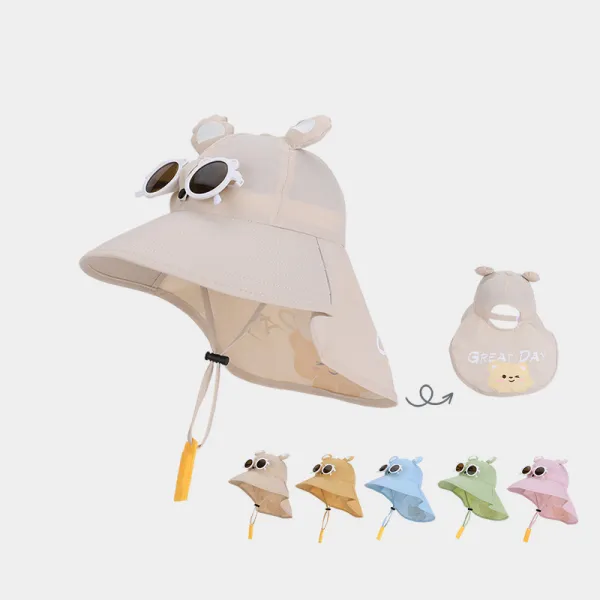
Lifestyle Accessories and Room Decor
Children’s accessories and interior decor items have surged in popularity as parents invest heavily in nursery aesthetics and creative play spaces. Incorporating versatile
Everyday Bags and Travel Backpacks
Bags designed for children have evolved from simple utility items into essential fashion statements for daycare, family travel, and weekend outings. Incorporating versatile
Back-to-School Bookbags and Scholastic Gear
The back-to-school shopping season represents an explosive revenue window for children's retailers. Sourcing durable, high-capacity
Captivating Young Minds with Toys
Integrating toys and hobbies into a children's apparel or specialty retail store is one of the most effective ways to boost impulse purchases and elevate average transaction values. By investing in reliable
5. The Financial and Operational Benefits of Wholesale Sourcing for Retail Businesses
Choosing wholesale sourcing over fragmented manufacturing or local reselling offers distinct operational advantages that directly impact a retailer's bottom line.
Lower Unit Costs and Healthy Profit Margins
Wholesale purchasing operates on economies of scale. By buying in volume, boutique and online store owners secure significantly lower per-unit costs, allowing them to price competitively while maintaining healthy gross margins (often exceeding 50% to 60%).
Reduced Lead Times and Rapid Inventory Turnaround
Custom manufacturing often requires months of sampling, fabric sourcing, and production lead times. In contrast, established wholesale platforms maintain ready-to-ship inventories. This agility enables online stores and boutiques to test new micro-trends rapidly, restock best-selling items within days, and capitalize on seasonal shifts without missing sales windows.
Lower Financial Risk and Flexible MOQs
For growing retail businesses, cash flow preservation is paramount. Modern B2B wholesale platforms offer flexible Minimum Order Quantities (MOQs), allowing small and medium-sized boutiques to curate diverse product lines without tying up capital in massive, unproven stock runs.
6. Operational Execution, Quality Control, and Supply Chain Best Practices
Sourcing wholesale children's wear successfully requires rigorous operational discipline and financial management. Managing supplier verification, safety compliance, and inventory forecasting is vital to maintaining healthy retail operations.
Regulatory Compliance and Safety Standards
Children's products are subject to stringent international safety regulations regarding small parts choking hazards, lead content, flammability standards, and non-toxic dyes. When vetting wholesale suppliers, always demand certified testing documentation (such as CPSIA compliance reports in the United States or EN71 standards in Europe) to protect your business from catastrophic liabilities and product recalls.
Vetting Suppliers and Evaluating Capabilities
When searching for wholesale partners, buyers must look beyond initial catalog pricing. Evaluate the total landed cost—including shipping tariffs, customs duties, and handling fees. Always request physical pre-production or sample orders to evaluate stitch density, fabric hand-feel, color fastness, and hardware durability before committing to larger bulk orders.
Phased Inventory Strategy and Working Capital Management
To protect cash flow, retailers should adopt a phased inventory strategy: start with small-scale wholesale orders to test market response across different categories (such as apparel sets, accessories, and toys), followed by scaling successful items into larger bulk replenishment runs. This approach minimizes financial exposure and eliminates deadstock.
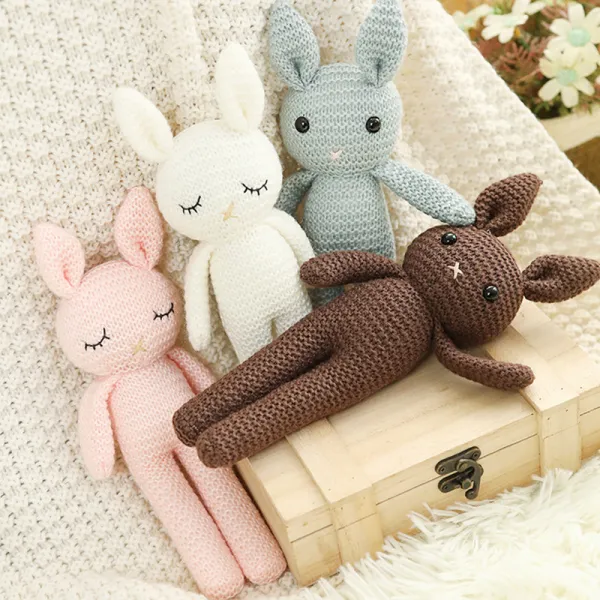
7. Building a Resilient, Future-Proof Children’s Retail Enterprise
Opting for wholesale children’s wear is a smart, strategic choice that empowers boutiques, online stores, and retail businesses to maximize profitability, scale efficiently, and respond dynamically to consumer demand. By partnering with trusted B2B ecosystems, balancing high-turnover apparel with high-margin accessories, school gear, and educational toys, and maintaining uncompromising quality control and safety standards, retail entrepreneurs can build a resilient, highly profitable enterprise. Embrace strategic supplier vetting, prioritize transparent communication, and position your brand for sustainable, long-term growth in the competitive global children's retail marketplace.


Comments
Post a Comment