The Complete Checklist for Importing Wholesale Makeup, Skincare, and Perfume Globally
1. Navigating the Complexities of Global Beauty Imports
The international trade of cosmetics, skincare formulations, fragrances, and professional hair goods has evolved into a highly lucrative yet fiercely regulated multi-billion-dollar enterprise. For indie brand founders, established retail executives, e-commerce pioneers, and multi-channel distributors, scaling a successful retail operation relies heavily on mastering the intricacies of global sourcing. Importing
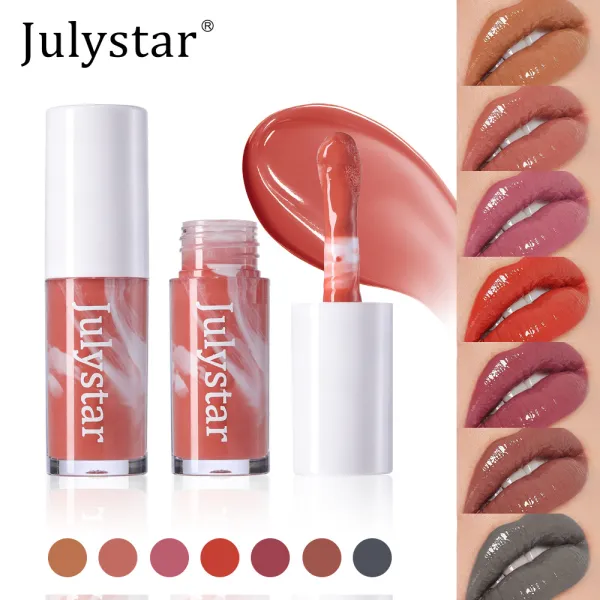
When importing beauty commodities across international borders, buyers face a unique web of legal frameworks, safety standards, and logistical hurdles. Unlike general consumer goods, cosmetics and topical personal care items interact directly with the human body, subjecting them to strict governmental oversight regarding ingredient safety, toxicological testing, heavy metal thresholds, and precise labeling mandates. Failing to comply with these rigorous frameworks can result in catastrophic financial losses, including border seizure, costly product recalls, steep regulatory fines, and permanent reputational damage.
This comprehensive checklist serves as your definitive, end-to-end strategic manual for safely and profitably importing wholesale beauty merchandise from global manufacturing hubs to your domestic distribution centers. Designed with actionable frameworks, step-by-step verification protocols, and risk-mitigation strategies, this guide equips you with everything needed to streamline cross-border logistics and build a resilient, legally compliant global beauty empire.
2. Phase One: Strategic Market Research and Niche Curation
Before initiating contact with international manufacturing partners or moving capital across borders, importers must conduct exhaustive market research to define their product categories, identify target demographic segments, and establish precise pricing architectures. The global beauty market is vast, encompassing everything from daily color cosmetics and organic skincare to high-end artisanal fragrances and professional hair goods. Attempting to source everything at once often leads to fractured marketing, inflated capital requirements, and unmanageable inventory bloat.
Successful importers begin by narrowing their core focus. For instance, if your retail channel targets trend-conscious Gen Z consumers, your catalog might prioritize high-demand color cosmetics, viral lip finishes, and functional accessories. Stocking vibrant and trend-focused
Concurrently, physical presentation and packaging integrity dictate perceived brand value in the modern retail landscape. Importers must evaluate whether they are bringing in pre-packaged retail-ready goods or bulk formulations that require local bottling and packaging. Sourcing reliable
3. Phase Two: Mastering Fragrance and Scent Import Protocols
Fragrance is one of the most emotionally resonant, high-margin categories in global retail, characterized by fierce brand loyalty and exceptional repeat purchase rates. However, importing perfumes, colognes, and concentrated scent compounds introduces distinct logistical and regulatory complexities that do not apply to standard solid cosmetics. Because alcohol-based fragrances are classified as hazardous materials (HazMat) due to their flammability, international shipping requires specialized documentation, certified packaging, and strict adherence to modal transport restrictions.
When building a comprehensive fragrance portfolio, importers must cater to diverse demographic preferences and modern consumer habits that favor travel-friendly, accessible formats. Offering curated
To achieve complete demographic market coverage, your fragrance import strategy must address distinct gender and lifestyle preferences. Sourcing dedicated lines of
4. Phase Three: Sourcing Professional Hair Care, Extensions, and Wigs
The global hair care, extension, and wig market represents a multi-billion-dollar sector driven by high customer retention, theatrical styling, protective wear, and natural hair enhancement. Importing hair goods—ranging from synthetic fiber bundles to premium human hair—requires specialized quality assurance protocols to prevent issues such as tangling, excessive shedding, improper cuticle alignment, and chemical treatment damage.
When importing ready-to-wear hair solutions, partnering with verified manufacturers for
For customers seeking permanent or semi-permanent length and volume, hair extensions remain a staple investment. Establishing direct import channels for
5. Phase Four: Supplier Vetting, Auditing, and Verification
The foundation of a secure global supply chain rests upon rigorous supplier vetting. In the international wholesale marketplace, buyers frequently encounter intermediaries, trading companies, and brokerages posing direct manufacturers. To protect your capital and brand reputation, importers must execute a structured, multi-step verification audit before signing contracts or transferring funds.
The 5-Step Supplier Audit Framework
Business License and Legal Status Verification: Cross-reference the supplier's official business registration license with governmental commercial registries to confirm their legal operating scope, registered capital, and corporate history.
Factory and Facility Inspection: Demand virtual or on-site third-party audits (utilizing agencies like SGS or Bureau Veritas) to inspect manufacturing floor hygiene, production capacity, equipment modernity, and labor safety standards.
Physical Sample Evaluation: Never place a bulk order without first receiving and thoroughly testing physical pre-production samples. Evaluate color payoff, scent longevity, wig cap construction, hair fiber texture retention, and container seal integrity.
Regulatory Certification Review: Request comprehensive documentation proving compliance with international standards, including Good Manufacturing Practice (GMP) certificates, ISO certifications, and cruelty-free or vegan accreditations where applicable.
Ethical Labor and Environmental Compliance: Ensure that manufacturing partners enforce strict ethical labor policies, prohibiting child labor, forced overtime, and unsafe working environments while adhering to local environmental waste management laws.
6. Phase Five: Regulatory Compliance, Safety Standards, and Documentation
Navigating international regulatory frameworks is the most critical checkpoint in the global import lifecycle. Cosmetics, skincare formulations, topical treatments, and hair products are subject to stringent regional legislation—such as the FDA Modernization of Cosmetics Regulation Act (MoCRA) in the United States, the EU Cosmetics Regulation (EC) No 1223/2009, and equivalent national standards worldwide.
Importers must act as legally responsible entities, ensuring that every product entering domestic commerce is fully compliant. This involves collecting and reviewing Safety Data Sheets (SDS), comprehensive toxicological risk assessments, and complete Certificate of Analysis (CoA) reports for every batch. Ingredients must be checked against prohibited and restricted substance lists, such as the EU Annex database, to prevent the inclusion of banned preservatives, heavy metals, or unauthorized color additives.
Furthermore, accurate product labeling is non-negotiable. Imported goods must feature clear, indelible labeling that includes the product function, net weight or volume, full ingredient disclosure using International Nomenclature of Cosmetic Ingredients (INCI) formatting, batch identification codes, country of origin, and explicit manufacturer or importer contact details. Failure to meet labeling mandates frequently results in costly re-labeling fees, customs holds, or mandatory destruction of the shipment at the port of entry.
7. Phase Six: Shipping, Logistics, Custom Clearance, and Risk Management
Once manufacturing is complete and compliance documentation is verified, managing physical logistics and customs clearance determines whether your products arrive on schedule and within budget. Importers must master international shipping terms, known as Incoterms (such as FOB, EXW, CIF, or DDP), which define the exact transfer of risk and transport responsibility between the buyer and the supplier.
Key Logistics Management Strategies
Optimize Transport Modes: Balance sea freight (cost-effective for large, heavy bulk shipments of hair goods, glass cosmetic jars, and makeup bags) against air freight (essential for high-value, time-sensitive product launches or smaller initial batches).
Manage HazMat Documentation: Ensure that alcohol-based perfumes and aerosol cosmetics are properly declared, packed in certified UN-rated containers, and accompanied by Dangerous Goods Declarations (DGD) to avoid severe carrier penalties.
Prepare Accurate Customs Declarations: Work with experienced licensed customs brokers to classify your goods using correct Harmonized System (HS) codes, calculating accurate import duties, tariffs, and value-added taxes (VAT) prior to arrival.
Implement Phased Inventory Strategies: Mitigate cash flow risks and storage bloat by utilizing phased purchase orders and safety stock buffers, protecting your business against unexpected port congestion, shipping delays, and seasonal demand fluctuations.

8. Building a Resilient, Future-Proof Beauty Enterprise
Mastering the global import of wholesale cosmetics, skincare, perfumes, and hair products requires an unwavering commitment to operational rigor, regulatory compliance, and strategic supplier partnerships. By following a structured roadmap—from niche market research and careful product curation to rigorous supplier audits, meticulous safety documentation, and disciplined logistics management—independent retailers and scaling brands can eliminate supply chain vulnerabilities.
Embrace proactive quality control, prioritize uncompromised safety standards, and position your import operations for sustainable, long-term growth in the competitive global beauty marketplace. With the right strategic framework and logistical discipline in place, building a thriving, resilient international beauty empire is entirely within your reach.


Comments
Post a Comment