Why Wholesale Denim Never Goes Out of Style in Global Fashion Markets
Denim is more than just a fabric; it is a global cultural phenomenon. Since its humble origins as rugged workwear, denim has ascended to the pinnacle of both high fashion and everyday functionality. In 2026, the wholesale denim market remains one of the most stable and lucrative sectors for apparel retailers worldwide. Whether you are managing a digital-first e-commerce brand, an independent boutique, or a large-scale retail chain, denim provides the financial bedrock upon which to build a successful fashion enterprise.

But what is it about this specific textile that makes it immune to the transient cycles of fashion? Why does wholesale denim continue to command such high demand, regardless of the economic climate or shifting global trends? This article explores the enduring power of denim and provides a strategic blueprint for retailers looking to capitalize on this evergreen category.
1. The Psychology of Denim: Reliability and Personal Expression
The primary reason denim never goes out of style is its inherent duality. It is the ultimate "blank canvas" for the wearer, yet it carries a deep-seated reputation for reliability and durability.
From a consumer psychology perspective, purchasing denim is a low-risk, high-reward decision. A shopper knows what to expect from a pair of jeans: they will provide structure, comfort, and versatility. This predictability creates immense customer loyalty. When a retailer masters the supply of high-quality
2. Technical Versatility: From High-Fashion to Utility
In the wholesale market, denim's versatility allows retailers to curate vastly different collections using the same foundational textile.
The Evolution of the Silhouette
In 2026, the global denim market is experiencing a massive shift in silhouette. We have moved away from the narrow constraints of the mid-2010s into an era of volume, texture, and technical innovation. Modern denim is no longer just about the "five-pocket jean." It has expanded into structural outerwear, exaggerated wide-leg trousers, and high-performance flex-wear.
Retailers who work with forward-thinking
3. The Seasonal Necessity: Year-Round Revenue
While many fashion items are subject to the "use-it-or-lose-it" nature of seasons, denim remains active twelve months of the year.
Summer Resilience: Even as temperatures rise, the market for denim remains white-hot. A smart
wholesale jean shorts Transitional Layering: The ability to transition denim from a base layer (trousers) to an outer layer (jackets) makes it the most "re-sellable" material in the industry.
4. Serving the Whole Family: The Multi-Demographic Power of Denim
The true scale of the denim market is revealed when you look at the demographic spread. Denim is one of the few fashion categories that retailers can confidently stock for the entire family.
Men’s Denim: The Foundation of Utility
For the male demographic, the trend is moving toward functional luxury. Today’s shoppers are looking for
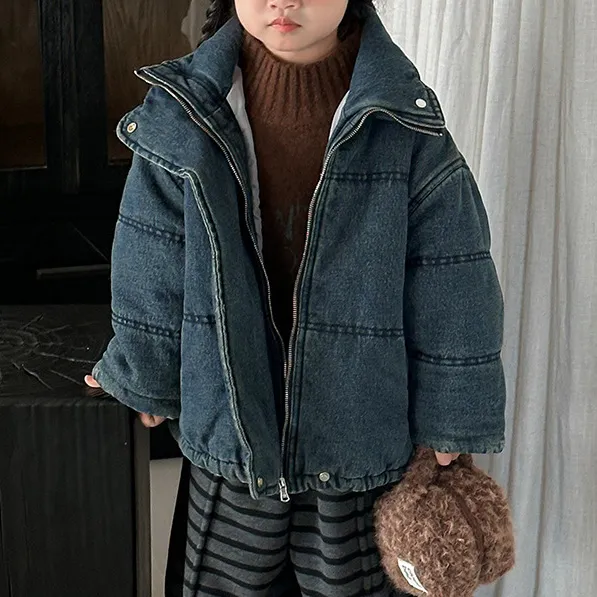
Children’s Denim: Durability as a Selling Point
In the children’s market, denim is non-negotiable. Parents prioritize
5. Escaping the Commodity Trap: The Role of Customization
If denim is so popular, why do some retailers struggle to make a profit? The answer lies in the "commodity trap." If you are selling the same generic denim as every other storefront, you will always be forced to compete on price, which destroys your margins.
The most successful retailers in 2026 are those who have moved away from generic wholesale and into
Introduce Proprietary Fits: A fit that your customers can only find at your store is your greatest competitive advantage.
Elevate Branding: Custom hardware, branded leather patches, and signature stitching turn a pair of jeans into a lifestyle brand.
Control Inventory: By designing your own custom items, you avoid the market saturation that comes with mass-produced, unbranded stock.
6. The Supply Chain Edge: Why Wholesale Still Reigns
While direct-to-consumer manufacturing has grown, wholesale remains the most efficient way to scale an apparel business. The key is in logistical consolidation.
Modern, reliable wholesale platforms now function as full-service supply chain partners. They handle everything from the initial material sourcing and pattern cutting to the final private labeling and export documentation. For the retailer, this means they don't have to be experts in textile engineering; they only need to be experts in their customers' desires. By consolidating your procurement through a single, vetted platform, you drastically reduce your shipping costs and your lead times, ensuring that your best-sellers are always in stock.
7. The Future of Denim: Sustainability and Technology
As we look toward the future, the reason denim remains dominant is its ability to adapt to modern values. Consumers are increasingly demanding sustainable production, and the denim industry is leading the way.
Eco-Friendly Washing: New, waterless ozone and laser finishing techniques are replacing the chemical-heavy wash processes of the past.
Recycled Fibers: The integration of recycled cotton and post-consumer waste denim into new production lines is becoming a standard expectation for the modern, environmentally conscious shopper.
Retailers who prioritize these sustainable manufacturing stories in their marketing are seeing higher conversion rates. Customers want to feel good about the denim they wear, and the narrative of sustainable, long-lasting production is a powerful selling point.
8. The Everlasting Denim Enterprise
Wholesale denim is not just a trend—it is the foundation upon which retail fortunes are built. Its ability to pivot from the rugged requirements of the modern worker to the high-fashion runways of Milan ensures it will remain relevant for decades to come.
For the aspiring brand owner or the established retail veteran, the strategy is clear:
Diversify your reach: Cover the entire family demographic.
Prioritize the wash and finish: This is what separates a generic product from a premium one.
Embrace customization: Use private labeling to build an exclusive brand that customers can’t compare elsewhere.
Consolidate your supply chain: Leverage the power of modern, integrated wholesale platforms to keep your operations lean and your inventory levels optimized.

Denim is the canvas of the modern wardrobe. When you master its sourcing and delivery, you aren't just managing inventory—you are participating in a tradition of style and utility that has shaped the modern world. Start with high-quality basics, test the market with seasonal drops, and build your denim empire one collection at a time. The demand is there, the market is ready, and the potential for long-term growth is limited only by your commitment to quality and style.


Comments
Post a Comment