The Power of Limited Drops: How Scarcity Marketing Increases Profitability in Lingerie
In the world of retail, the traditional approach has long been "stack it high and sell it cheap." For decades, the goal was to keep every size and every color in stock 365 days a year. But in 2026, the most profitable lingerie brands have abandoned this model. They have pivoted to a strategy that turns the customer’s natural desire for exclusivity into a high-octane sales machine: the "Limited Drop."

Scarcity marketing is not about tricking the customer; it is about creating a sense of occasion. By transforming the act of buying lingerie from a mundane chore into an exclusive event, you can bypass the cycle of endless discounting, maximize your full-price sell-through rates, and build a brand that customers obsessively watch for.
1. The Psychology of the Drop
Why do limited drops work so effectively? It comes down to the psychology of "Loss Aversion." When a product is available forever, a customer will procrastinate. They tell themselves, "I’ll buy it next week." More often than not, "next week" never comes.
When you launch a limited collection, the narrative changes. The customer is forced to decide now. If they wait, they lose the opportunity to own that piece forever. By sourcing high-quality products from top-tier
2. Managing Inventory Velocity with Drops
The biggest enemy of profitability in lingerie retail is dead stock. Every item sitting in your warehouse after 90 days is a drain on your cash flow. Scarcity marketing acts as an insurance policy against this.
Targeted Procurement: Instead of buying
bulk bras The "Sell-Out" Advantage: There is no better marketing than a "Sold Out" banner. When a customer sees that your items sell out quickly, they will be much more likely to sign up for your email list or follow your social media to ensure they don't miss the next drop. It transforms your store into a "destination" rather than a commodity shelf.
3. Creating "Collections" Out of Essentials
You don’t need to reinvent the wheel to make a drop work. You can take essential categories and give them a "limited edition" twist.
Thematic Colorways: Take your best-selling
bulk panties Targeting Niche Needs: A limited drop is the perfect way to test
wholesale lingerie plus size
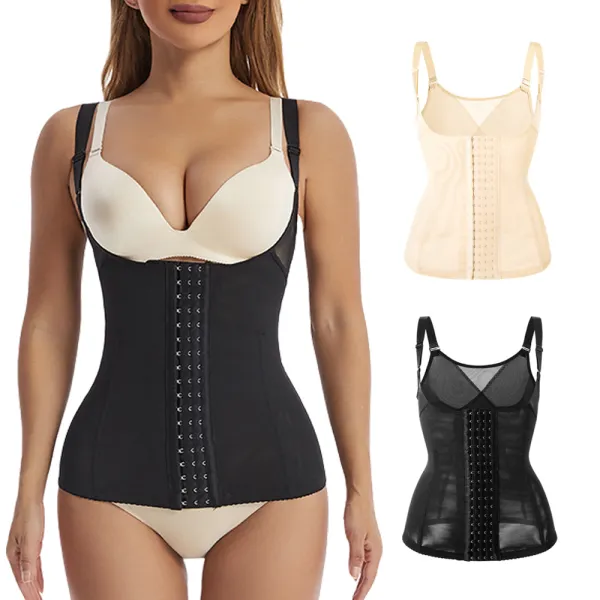
4. Elevating the Everyday: Shapewear as a Drop
Shapewear is often viewed as a functional, utilitarian category. This is a mistake. By launching "limited edition" shapewear drops—perhaps featuring special materials or exclusive lace details—you turn a functional necessity into an item of desire. Using
5. The Ultimate Scarcity: Customization
If the "limited drop" is the fire, then "customization" is the fuel. Nothing creates more value than an item that is truly one-of-a-kind.
By offering
6. The Execution Blueprint: How to Drop
To run a successful drop, follow these four rules:
The "Tease" Phase: Spend two weeks showing "behind-the-scenes" footage. Build the anticipation. Let your customers know the exact date and time the shop goes live.
The "Email-First" Policy: Reward your loyal subscribers by giving them 1-hour "early access" to the drop. This builds a high-value email list that you own, reducing your reliance on expensive ad platforms.
Strict Time Limits: If the drop is meant to last 48 hours, close the shop when the time is up. Do not extend it. If you keep the shop open longer, you destroy the trust and the scarcity that makes the strategy work.
The "Waitlist" Capture: If the items sell out, have a "Notify Me" button ready. Use this data to plan your next drop.
7. Financial Discipline: The Profit Shift
Limited drops drastically improve your profit margins by:
Eliminating Markdowns: Since you only produce what you believe you can sell in a short window, you rarely have to resort to 50% off clearance sales to clear space.
Full-Price Sell-Through: Because the products feel like "special editions," customers are more than willing to pay full price.
Operational Focus: You spend your resources on making one event successful, rather than trying to manage a massive catalog of items that move slowly.
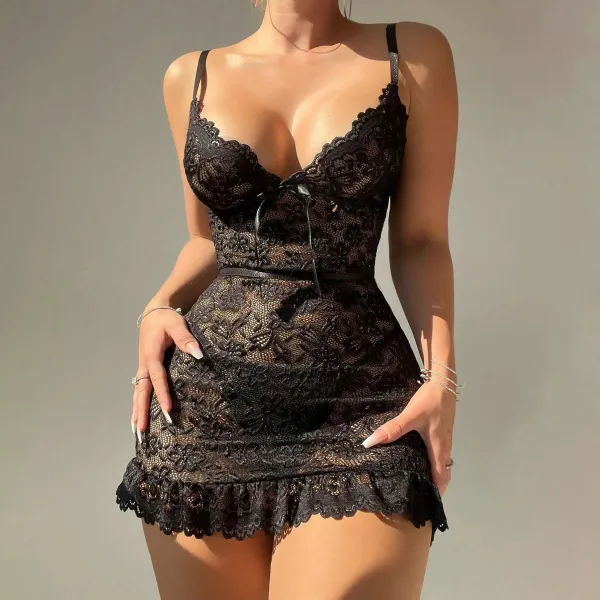
8. Moving from Merchant to Curator
The move toward scarcity marketing is a transition from being a merchant who "has stuff for sale" to a curator who "brings experiences to market." In 2026, the retail environment is crowded, but it is not crowded with experiences.
By implementing limited drops, you create a cadence that keeps your customers engaged, your inventory lean, and your profit margins healthy. Start by looking at your current inventory. Which items have high potential but are getting lost in the shuffle? Take those, bundle them, give them a theme, and announce a 48-hour drop. Your customers will feel the excitement, your inventory will move, and your bottom line will show the results. Don't sell to the masses; sell to the community, and let them know that your best pieces are only here for a limited time.


Comments
Post a Comment