aximizing Profit Margins in Men’s Fashion Through Smart Wholesale Menswear and Bag Procurement
1. The Profitability Imperative in Modern Men's Retail
The contemporary men’s fashion market is experiencing a golden era of expansion and diversification. Once considered an afterthought in the broader apparel industry, men’s retail has evolved into a powerhouse sector characterized by high consumer engagement, rapid trend adoption, and a strong willingness to invest in quality wardrobe staples. However, beneath the gleaming storefronts and high-volume e-commerce checkouts lies a fierce battleground. Retailers face rising overhead costs, aggressive pricing competition from fast-fashion giants, and volatile supply chain logistics. In this environment, long-term survival and prosperity do not depend solely on top-line sales revenue; they hinge fundamentally on optimizing gross profit margins through strategic procurement.

Profit margin maximization begins at the very root of the supply chain: sourcing. Whether launching an independent boutique, scaling a Shopify dropshipping brand, or expanding an established department store catalog, a retailer’s financial success is dictated by how efficiently they acquire inventory. Sourcing errors—such as tying up capital in slow-moving stock, paying inflated intermediary markups, or failing to balance ready-to-wear items with bespoke offerings—can quickly erode profitability.
This comprehensive guide explores the precise procurement strategies required to maximize profit margins in men’s fashion. We will analyze how to leverage direct-to-factory platforms, optimize category mix across apparel, bags, and footwear, integrate custom-made services, and implement disciplined financial planning to build a resilient, high-margin retail enterprise.
2. Deconstructing the Retail Margin Equation in Men’s Fashion
To understand how smart procurement drives profitability, one must first deconstruct the retail margin equation. Gross profit margin is determined by two primary levers: the Cost of Goods Sold (COGS) and the Retail Selling Price (RSP). While retailers can sometimes increase RSP through strong branding and marketing, consumer price elasticity places a natural ceiling on how much a customer is willing to pay for a given garment or accessory. Therefore, the most controllable and effective path to expanding profit margins is driving down COGS without compromising product quality.
Traditional wholesale models have historically eaten into retailer margins through a convoluted chain of intermediaries—including master distributors, regional wholesalers, and brokers—each adding their own markup before the goods finally reach the retail buyer. Furthermore, traditional procurement often forces retailers into rigid minimum order quantities (MOQs) that result in excess inventory, necessitating steep end-of-season clearance discounts that devastate profit margins.
The modernization of B2B digital sourcing has fundamentally altered this equation. By partnering with direct-source global platforms such as FashionTIY, retailers can bypass unnecessary middlemen, secure factory-direct pricing, and optimize their inventory turnover rates. Lower COGS directly translates to wider profit margins, giving businesses the financial flexibility to invest in customer acquisition, brand building, and operational scaling.
3. Category Optimization: Building a High-Margin Apparel Assortment
A profitable retail catalog requires a meticulously balanced category assortment. Retailers must stock foundational essentials that guarantee steady inventory turnover alongside high-ticket items that drive robust gross margins.
When establishing a profitable menswear business, securing a reliable baseline supply of
Leveraging Denim for Strong Perceived Value
Denim is one of the most resilient and high-margin categories in men’s retail. Consumers view quality denim as an investment piece, allowing retailers to command healthy markups. Sourcing versatile
Maximizing Basket Size with Coordinated Sets
Coordinated outfits have transformed modern consumer behavior by offering effortless styling solutions that eliminate decision fatigue. Retailers can dramatically increase their Average Order Value (AOV) by offering curated
Capturing Seasonal Demand with Functional Bottoms
Seasonal flexibility is critical for maintaining consistent cash flow throughout the year. When warmer months approach, sourcing durable
High-Frequency Essentials: Underwear and Intimate Apparel
While statement pieces attract attention, everyday essentials drive reliable, repeat business. Investing in
Mastering Volume Tops: T-Shirts and Polos
Basic tops represent the ultimate high-volume profit drivers in retail. Large-scale procurement programs for
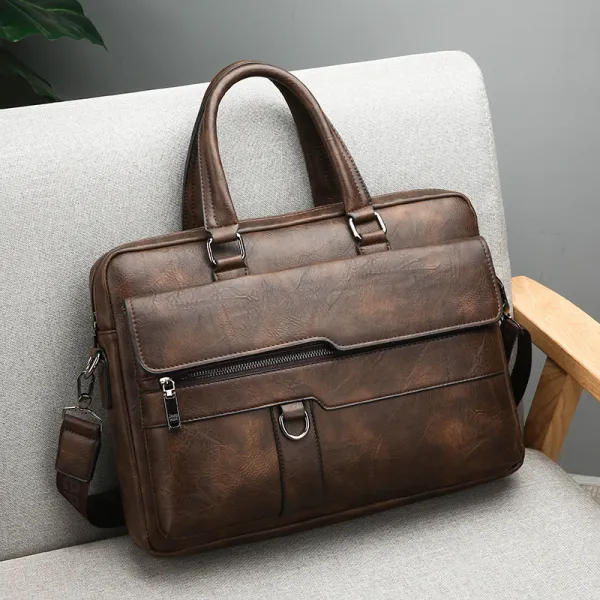
4. Expanding Profit Pools Through Bags and Footwear Procurement
While apparel forms the core of a men's retail business, accessories and footwear represent high-margin profit pools that can significantly elevate a brand's financial performance.
Accessories and Urban Mobility: High Perceived Value
Bags and backpacks have transitioned from purely functional gear into essential fashion statements for urban professionals, students, and travelers. Incorporating versatile
Footwear: Completing the Outfit and Securing Customer Lifetime Value
Footwear represents a major investment for consumers looking to complete a head-to-toe look. Offering diverse styles through
5. Elevating Margins Through Custom-Made Manufacturing Services
While standard wholesale procurement provides reliable inventory and operational efficiency, true brand dominance and maximum pricing power are achieved through custom-made manufacturing services. Customization transforms commodity products into exclusive proprietary assets, insulating your retail business from direct price comparisons.
Profitability Insight: Customization allows retailers to escape the "race to the bottom" pricing wars common in generic e-commerce. When customers perceive a product as unique to your brand, price elasticity expands, allowing for higher retail margins.
Custom T-Shirts: Engineering Proprietary Comfort
T-shirts are ubiquitous, but custom development allows you to stand apart. Utilizing specialized
Custom Bags: Signature Hardware and Branding
Accessories offer incredible margins when customized. Leveraging professional
Custom Footwear: Democratizing Sneaker Design
Footwear customization once required prohibitive development costs and massive minimum order quantities. Today, agile manufacturing partnerships have made bespoke footwear accessible. Through specialized
Custom Sets: Coordinated Brand Identity
Coordinated collections represent a booming profit sector. Utilizing advanced
6. Financial Discipline, Supply Chain Logistics, and Inventory Management
Maximizing profit margins is not solely about buying cheaply; it is about managing the entire lifecycle of your inventory with financial rigor. Poor supply chain management can silently bleed profits through warehousing fees, stockouts, and markdown losses.
Phased Inventory Strategy and Minimizing Working Capital
To protect cash flow, retailers must avoid over-committing capital to unproven products. A phased inventory strategy—starting with small-batch spot wholesale orders to test market response, followed by scaling successful items into custom manufacturing runs—minimizes financial exposure. Keeping working capital fluid allows businesses to capitalize on emerging trends rapidly.
Controlling Return Rates and Quality Assurance
E-commerce returns represent a massive drain on profitability. Implementing rigorous quality assurance (QA) protocols—such as clear tech packs with precise measurements, fabric composition standards, and multi-stage factory inspections—ensures that customers receive high-quality goods that match their expectations, drastically reducing return rates.

7. Building a High-Margin, Future-Proof Retail Enterprise
Maximizing profit margins in men's fashion requires a deliberate, multi-faceted approach. By moving away from bloated traditional supply chains and embracing direct-to-factory digital sourcing platforms, retailers can significantly lower their Cost of Goods Sold. Balancing a high-turnover apparel assortment with high-margin categories like bags and footwear establishes a stable financial foundation. Furthermore, integrating custom-made services elevates brand equity and protects profit margins from generic price competition.
Embrace smart procurement, maintain strict inventory discipline, and leverage custom manufacturing to position your men's retail enterprise for sustainable, high-margin growth in the global marketplace.


Comments
Post a Comment