Smart Bulk Purchasing Strategies for Ladies Tops
In today's competitive retail landscape, smart purchasing decisions can make the difference between profit and loss. For clothing retailers looking to optimize their inventory, implementing intelligent bulk purchasing strategies for wholesale women tops is essential for maximizing value and minimizing costs.

The Benefits of Smart Bulk Purchasing
Why Strategic Bulk Buying Matters
Smart bulk purchasing offers numerous advantages:
Cost Savings: Volume discounts reduce per-unit costs
Inventory Stability: Consistent supply prevents stockouts
Negotiating Power: Larger orders lead to better terms
Profit Maximization: Lower costs increase profit margins
Competitive Edge: Better pricing enables competitive retail pricing
Key Considerations Before Buying
Before committing to bulk purchases, evaluate:
Demand Forecast: Project sales volume accurately
Storage Capacity: Ensure adequate warehouse space
Cash Flow: Manage payment terms effectively
Supplier Reliability: Verify supplier track record
Building Your Smart Purchasing Strategy
Step 1: Analyze Historical Data
Leverage past sales data to inform decisions:
Top-Selling Styles: Identify consistently popular items
Seasonal Trends: Plan for seasonal demand spikes
Customer Preferences: Understand what your customers love
Return Rates: Avoid items with high return rates
Step 2: Diversify Your Product Mix
A balanced inventory includes:
Category | Strategy | Benefit |
|---|---|---|
Mix classic and trendy styles | Consistent year-round sales | |
Focus on quality materials | Premium pricing potential | |
Follow current trends | Appeal to younger shoppers | |
Stock versatile basics | High repeat purchase potential | |
Buy in larger quantities | Low-risk, high-volume items |
Step 3: Build Supplier Relationships
Strong partnerships are key to smart purchasing:
Communicate Regularly: Share your needs and challenges
Negotiate Fair Terms: Win-win agreements benefit both parties
Request Samples: Verify quality before bulk orders
Explore Exclusive Deals: Ask about special promotions
Negotiation Techniques for Bulk Purchases
Volume Discount Strategies
Start Small, Grow Gradually: Build trust before large orders
Bundle Categories: Combine orders for better discounts
Long-Term Commitments: Lock in favorable pricing
Flexible Payment Terms: Improve cash flow management
Off-Season Purchases: Capitalize on clearance opportunities
Getting the Best Deal
Compare Multiple Suppliers: Don't settle for the first offer
Understand Cost Structures: Know what drives pricing
Ask for Extras: Free shipping, extended terms, or bonuses
Leverage Competition: Use other quotes to negotiate
Inventory Management Best Practices
Just-in-Time vs. Bulk Inventory
Approach | Best For | Considerations |
|---|---|---|
Just-in-Time | Fast-moving, trendy items | Requires reliable suppliers |
Bulk Inventory | Staple items, basics | Needs adequate storage |
Hybrid Approach | Most retailers | Balance of both strategies |
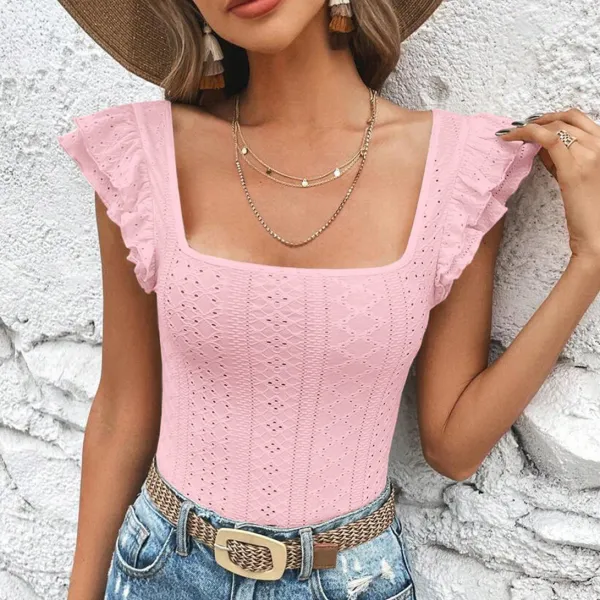
Avoiding Common Inventory Pitfalls
Overstocking: Don't buy more than you can sell in 30-60 days
Dead Stock: Monitor slow-moving items regularly
Inconsistent Quality: Establish clear quality standards
Poor Record-Keeping: Use inventory management software
Technology-Enabled Purchasing
Tools for Smart Buying
Inventory Management Systems: Track stock levels in real-time
Demand Forecasting Software: Predict future sales accurately
Supplier Management Platforms: Streamline communications
Analytics Tools: Gain insights from sales data
Data-Driven Decision Making
Track Key Metrics: Sales velocity, turnover rate, profit margin
Analyze Trends: Identify emerging fashion trends
Customer Segmentation: Understand different customer groups
Performance Reporting: Regularly review purchasing performance
Case Study: Smart Purchasing Success
40% reduction in inventory holding costs
25% increase in profit margins
60% reduction in stockouts
Key Strategies:
Used data analytics for demand forecasting
Negotiated volume discounts with key suppliers
Implemented hybrid inventory approach
Future of Smart Purchasing
Emerging Trends
AI-Powered Forecasting: Machine learning predicts demand
Blockchain Supply Chains: Enhanced transparency and trust
Sustainable Sourcing: Ethical purchasing gaining importance
Direct-to-Manufacturer: Cutting out middlemen
Sustainability Considerations
Eco-Friendly Materials: Demand for sustainable fabrics
Ethical Production: Fair trade and worker rights
Waste Reduction: Minimizing excess inventory
Circular Fashion: Recycling and upcycling programs
Expanding Your Purchasing Strategy
Adding Complementary Categories
Once you've mastered women tops, consider expanding:
Outerwear: wholesale jackets and wholesale coats
Bottoms: Skirts, pants, and shorts
Accessories: Jewelry, bags, and scarves
Full Outfits: Coordinated sets and dresses
Private Label Development
Custom Designs: Create exclusive products
Brand Differentiation: Stand out from competitors
Higher Margins: Private label commands premium pricing
Customer Loyalty: Build brand recognition and loyalty

Smart bulk purchasing is more than just buying in large quantities—it's about making informed decisions that maximize value while minimizing risk. By analyzing data, building strong supplier relationships, and leveraging technology, retailers can create a purchasing strategy that drives profitability and growth.
For retailers looking to implement smart bulk purchasing for women tops, platforms like FashionTIY offer comprehensive solutions with access to wholesale womens tops and complementary categories. Their competitive pricing, flexible MOQs, and reliable service make them an ideal partner for smart purchasing strategies.
Remember, successful purchasing requires ongoing analysis and adaptation. Stay informed about market trends, listen to your customers, and continuously refine your approach. With smart bulk purchasing, you can build a profitable and sustainable retail business.


Comments
Post a Comment