Custom Sportswear: Enhancing Performance and Brand Identity
In today’s fast-evolving apparel industry, sportswear has become more than just functional clothing—it is a powerful blend of performance, style, and brand identity. With the rise of athleisure and fitness culture, consumers expect apparel that not only supports physical activity but also reflects their personality and lifestyle. This shift has fueled the demand for custom sportswear, enabling brands to deliver tailored solutions that meet both performance and aesthetic needs.
In 2026, customization is redefining how sportswear is designed, produced, and marketed. From professional athletes to everyday fitness enthusiasts, personalized apparel is becoming the standard. This article explores how custom sportswear enhances performance, strengthens brand identity, and creates new opportunities for fashion businesses.
The Evolution of Sportswear
From Utility to Lifestyle
Sportswear was once limited to athletic performance, focusing on durability and functionality. Today, it has evolved into a lifestyle category that blends fashion with fitness. Consumers wear sportswear not only in gyms but also in daily life, making design and branding more important than ever.
The Rise of Athleisure
Athleisure has transformed sportswear into a mainstream fashion trend. Comfortable, versatile clothing is now a staple in modern wardrobes, driving demand for innovative and stylish designs.
Why Custom Sportswear Matters
Performance Optimization
Customization allows for the selection of materials and designs that enhance athletic performance. Features such as moisture-wicking fabrics, breathability, and flexibility improve comfort and efficiency during physical activity.
Perfect Fit
Every individual has unique body proportions. Custom sportswear ensures a better fit, reducing discomfort and improving mobility.
Brand Differentiation
For businesses, offering customized products helps create a distinct identity in a competitive market. Unique designs and branding elements set your products apart from mass-produced alternatives.
Building a Brand with Private Label Solutions
To scale effectively, many businesses leverage custom clothing private label services. This approach allows brands to produce unique sportswear collections under their own label while maintaining control over quality and design.
Advantages of Private Labeling
- Strong brand recognition
- Higher profit margins
- Flexibility in product development
- Faster response to market trends
Designing for Inclusivity
Inclusivity is a key factor in modern sportswear design.
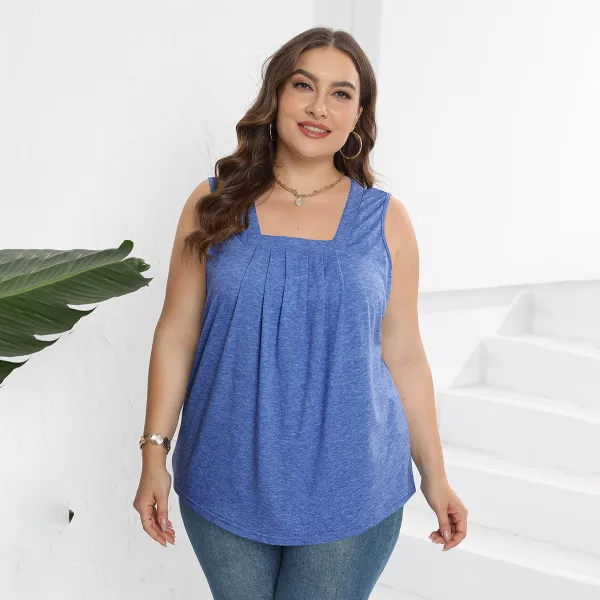
Plus Size Sportswear
Offering custom plus size clothing ensures that all customers, regardless of body type, have access to high-quality athletic apparel.
Gender-Neutral Designs
Unisex styles are gaining popularity, providing versatile options for diverse audiences.
Accessibility
Designing for accessibility ensures that sportswear meets the needs of individuals with different physical abilities.
Expanding Product Categories
To maximize growth, brands should diversify their offerings beyond sportswear.
Dresses for Athleisure
Stylish custom dresses can complement sportswear collections, especially in the athleisure segment.
Swimwear for Active Lifestyles
Water sports and beach activities create demand for custom swimwear that combines performance and style.
Lingerie for Comfort
Supportive undergarments like custom lingerie are essential for activewear, enhancing comfort and functionality.
Women’s Sets
Matching outfits such as custom women's sets provide convenience and a cohesive look.
Accessories
Accessories like custom socks play a crucial role in performance and comfort.
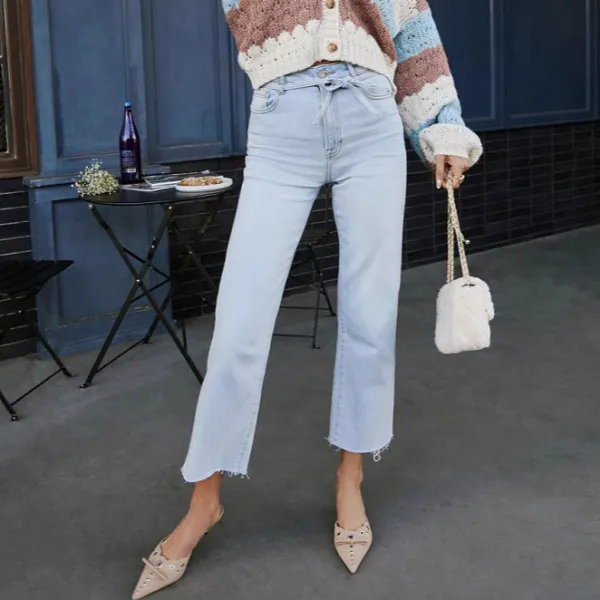
Denim for Casual Wear
Athleisure extends into casual fashion, where custom jeans offer versatility and style.
Key Elements of Custom Sportswear Design
Fabric Technology
Advanced materials are essential for performance. Popular options include:
- Moisture-wicking fabrics
- Breathable mesh materials
- Stretchable blends for flexibility
- UV-protective textiles
Ergonomic Design
Designs should support natural body movement, reducing strain and enhancing performance.
Durability
High-quality construction ensures that sportswear withstands rigorous use and frequent washing.
Aesthetic Appeal
Modern consumers expect sportswear to look as good as it performs. Stylish designs and branding elements enhance visual appeal.
Branding Through Custom Sportswear
Logo Placement
Strategic placement of logos and branding elements increases visibility and recognition.
Color Identity
Consistent color schemes reinforce brand identity and create a cohesive product line.
Storytelling
Sharing the story behind your brand and products builds emotional connections with customers.
Marketing Strategies
Social Media Engagement
Platforms like Instagram and TikTok are ideal for showcasing sportswear. Share:
- Workout routines
- Styling tips
- Customer testimonials
Influencer Partnerships
Collaborating with fitness influencers can boost brand visibility and credibility.
Community Building
Creating a community around your brand fosters loyalty and engagement.
Enhancing Customer Experience
Personalization Tools
Offer online customization options that allow customers to design their own sportswear.
Clear Sizing Guides
Provide detailed size charts to ensure accurate fit.
Responsive Support
Timely customer service enhances satisfaction and trust.
Challenges and Solutions
Production Complexity
Customization can complicate manufacturing processes. Solution: streamline workflows and partner with experienced suppliers.
Cost Management
Custom products may have higher costs. Solution: implement strategic pricing and optimize production.
Inventory Management
Balancing supply and demand is crucial. Solution: use data analytics to forecast trends.
Future Trends in Custom Sportswear
Smart Fabrics
Innovative materials with built-in technology will enhance performance and functionality.
Sustainability
Eco-friendly materials and ethical production practices are becoming standard.
AI-Driven Design
Artificial intelligence will enable more precise customization and design recommendations.
Virtual Try-On Technology
Augmented reality tools will improve the online shopping experience.
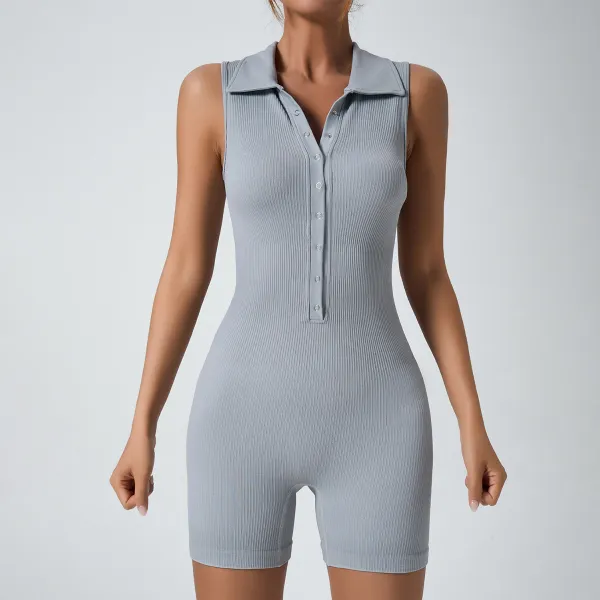
Custom sportswear represents a powerful opportunity for brands to combine performance, style, and identity. By offering custom sportswear, businesses can meet the evolving needs of modern consumers while building strong, recognizable brands.
Expanding into complementary categories such as dresses, swimwear, lingerie, women’s sets, socks, and jeans ensures a well-rounded product portfolio. Leveraging custom clothing private label solutions further enhances scalability and brand control.
In 2026 and beyond, customization, innovation, and inclusivity will continue to shape the sportswear industry. Brands that embrace these trends and prioritize customer experience will lead the market and achieve sustainable growth.


Comments
Post a Comment