Cross-border E-commerce for Wholesale Shoe Businesses
The global marketplace has become increasingly accessible through cross-border e-commerce, presenting significant opportunities for wholesale shoe businesses. By expanding beyond domestic markets, wholesale shoe businesses can tap into new customer bases, diversify revenue streams, and achieve sustainable growth. However, navigating the complexities of cross-border e-commerce requires strategic planning and execution.
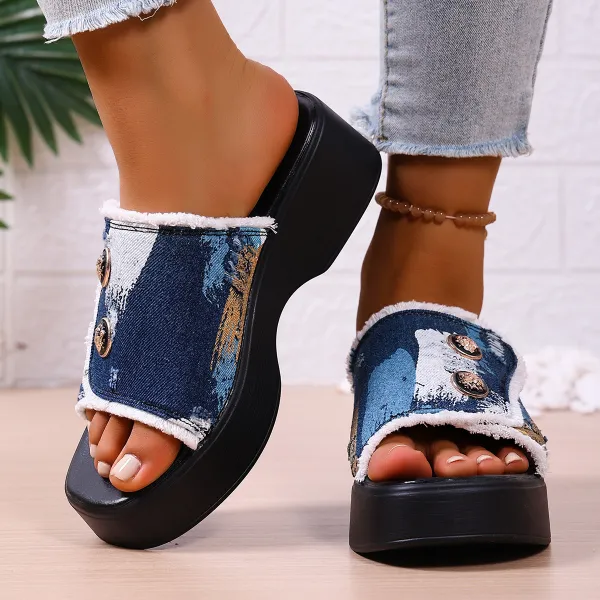
This guide explores the key strategies and considerations for wholesale shoe businesses looking to succeed in cross-border e-commerce. From market selection to logistics management, we'll cover essential aspects that can help you expand your business internationally. For a comprehensive selection of wholesale shoes to support your cross-border operations, explore the extensive collection available at wholesale shoes.
Market Selection: Identifying Promising International Markets
The first step in cross-border e-commerce is identifying which international markets to target. Not all markets are equally promising for wholesale shoe businesses, so careful research is essential.
Key Market Selection Criteria
Market size and growth: Look for markets with large or growing footwear markets
E-commerce penetration: Consider markets with high internet penetration and e-commerce adoption
Import regulations: Evaluate the ease of importing footwear into different markets
Cultural fit: Assess whether your shoe products align with local preferences and trends
Competition level: Analyze the competitive landscape in potential target markets
Economic stability: Consider the economic conditions and purchasing power of target markets
Promising International Markets for Wholesale Shoes
North America: Large market with high purchasing power and established e-commerce infrastructure
European Union: Unified market with strong consumer protection laws and high fashion awareness
Southeast Asia: Fast-growing e-commerce market with increasing middle class
Middle East: Growing luxury footwear market with high disposable income
Latin America: Emerging market with increasing e-commerce adoption
For specialized categories like wholesale sneakers, certain markets may offer particularly strong opportunities due to regional trends and preferences.
Cross-border E-commerce Platforms: Choosing the Right Channels
Selecting the right e-commerce platforms is crucial for successful cross-border operations. Different platforms offer varying levels of reach, functionality, and cost.
Popular Cross-border E-commerce Platforms
Amazon Global Selling: Access to Amazon's extensive international customer base
eBay International: Global reach with flexible selling options
Alibaba International: Connection to global B2B buyers
Shopify Plus: Customizable platform with international capabilities
Local marketplaces: Platforms specific to target markets (e.g., Tmall Global for China)
Platform Selection Considerations
Target audience: Choose platforms where your target customers are active
Fees and costs: Compare platform fees, commission rates, and other costs
Logistics integration: Evaluate how well platforms integrate with international shipping solutions
Payment processing: Ensure platforms support international payment methods
Localization capabilities: Assess platforms' ability to support multiple languages and currencies
Logistics and Fulfillment: Overcoming Cross-border Challenges
Logistics is often the most challenging aspect of cross-border e-commerce for wholesale shoe businesses. Efficient shipping and fulfillment are essential for customer satisfaction and profitability.
Key Logistics Considerations
Shipping options: Evaluate different shipping methods (air, sea, express)
Customs clearance: Understand customs requirements for different markets
Duties and taxes: Calculate and communicate potential duties and taxes to customers
Delivery times: Set realistic delivery time expectations
Returns management: Establish clear return policies and processes
Logistics Solutions for Cross-border E-commerce
Third-party logistics (3PL) providers: Partner with companies that specialize in cross-border logistics
Fulfillment centers: Use local fulfillment centers to reduce shipping times and costs
Dropshipping: Consider dropshipping models for certain markets
Customs brokers: Work with experts to navigate customs requirements
Tracking systems: Implement robust tracking systems for international shipments
For categories like wholesale women high heel products, careful packaging and handling during international shipping is especially important to maintain product quality.

Payment and Currency Management
Managing international payments and currencies is a critical aspect of cross-border e-commerce for wholesale shoe businesses.
Payment Processing Solutions
International payment gateways: Use gateways that support multiple payment methods
Currency conversion: Implement automatic currency conversion for customer convenience
Payment security: Ensure compliance with international payment security standards
Fraud prevention: Implement robust fraud detection measures
Tax compliance: Understand tax implications of international transactions
Currency Risk Management
Multi-currency pricing: Consider pricing products in local currencies
Hedging strategies: Use financial instruments to mitigate currency risk
Real-time exchange rates: Update prices based on current exchange rates
Payment timing: Optimize timing of payments to minimize currency fluctuations
Marketing and Localization: Connecting with International Customers
Effective marketing and localization are essential for success in cross-border e-commerce. Adapting your marketing strategies to local markets can significantly improve customer engagement and conversion rates.
Localization Strategies
Website localization: Translate and adapt your website for target markets
Product descriptions: Localize product descriptions to reflect local preferences
Visual content: Use images and videos that resonate with local customers
Customer support: Provide customer support in local languages
Cultural sensitivity: Be aware of cultural nuances in marketing messages
International Marketing Channels
Local search engines: Optimize for local search engines (e.g., Baidu for China)
Social media: Use social platforms popular in target markets
Influencer marketing: Partner with local influencers to promote your products
Content marketing: Create content relevant to local audiences
Paid advertising: Use targeted advertising on local platforms
Legal and Regulatory Compliance
Navigating international legal and regulatory requirements is essential for cross-border e-commerce success.
Key Legal Considerations
Import/export regulations: Understand regulations for importing shoes into target markets
Product safety standards: Ensure compliance with local safety and quality standards
Intellectual property: Protect your brand and products in target markets
Privacy regulations: Comply with local data protection laws
Tax obligations: Understand tax requirements in target markets
Compliance Strategies
Legal counsel: Consult with legal experts familiar with international trade
Product testing: Ensure products meet local safety and quality standards
Documentation: Maintain proper documentation for customs and regulatory purposes
Continuous monitoring: Stay updated on changes to regulations in target markets
Insurance: Consider international trade insurance to mitigate risks
Case Study: Successful Cross-border Wholesale Shoe Business
To illustrate effective cross-border e-commerce strategies, let's examine a case study of a successful wholesale shoe business:
Background
A mid-sized wholesale shoe business based in China wanted to expand into the European market through cross-border e-commerce.
Implemented Strategies
Market research: Identified Germany, France, and the UK as target markets based on footwear consumption trends and e-commerce penetration
Platform selection: Established presence on Amazon Europe and local marketplaces like Zalando
Logistics optimization: Partnered with a 3PL provider with fulfillment centers in Europe
Localization: Translated website content and product descriptions into local languages
Marketing adaptation: Tailored marketing campaigns to local preferences and trends
Regulatory compliance: Ensured products met EU safety standards and obtained necessary certifications
Results
Achieved 300% growth in international sales within the first year
Established a loyal customer base in target European markets
Reduced shipping times from 15-20 days to 3-5 days through local fulfillment
Maintained competitive pricing despite international shipping costs
Built a strong brand presence in European wholesale shoe markets

Cross-border e-commerce offers significant opportunities for wholesale shoe businesses to expand their reach and increase revenue. By carefully selecting target markets, choosing the right e-commerce platforms, optimizing logistics, managing payments effectively, localizing marketing efforts, and ensuring regulatory compliance, wholesale shoe businesses can successfully navigate the complexities of international expansion.
Remember that successful cross-border e-commerce requires continuous learning and adaptation. As market conditions change and new opportunities emerge, your strategies should evolve to maintain a competitive edge.
For a wide selection of wholesale shoes to support your cross-border operations, explore the extensive collection available through reputable suppliers. Whether you're looking for popular categories like wholesale sandals and wholesale boots, or specialized options like wholesale house slippers, having a diverse product offering can help you meet the needs of international customers.
By combining strategic planning, cultural sensitivity, and operational excellence, wholesale shoe businesses can thrive in the global marketplace and achieve long-term success through cross-border e-commerce.


Comments
Post a Comment